What the Lab-Grown Supply Chain Means for Retail Buyers
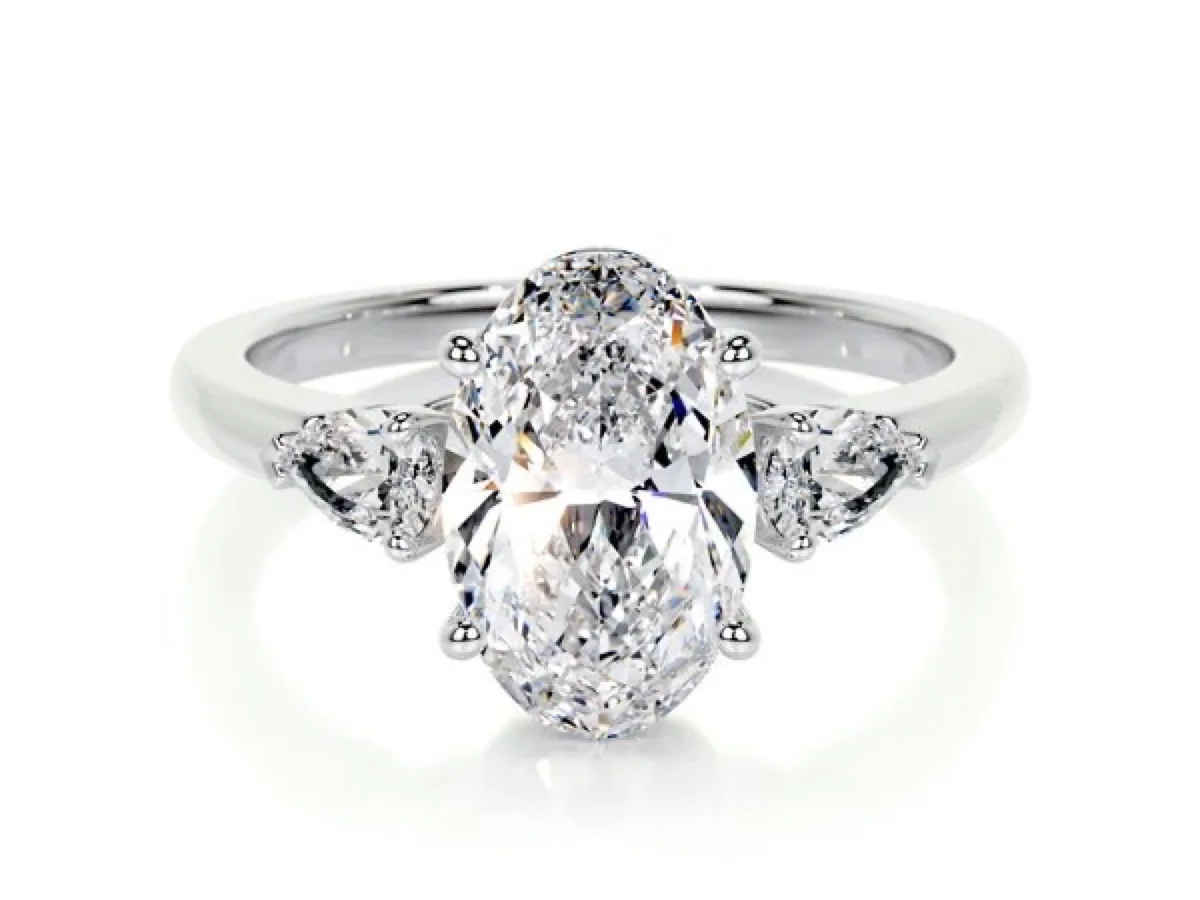
The practical consequence of lab-grown supply for a retail buyer is assortment flexibility: the same retail price point now supports a visibly larger centre stone, which changes what converts online. Most brands run both programmes side by side rather than replacing one with the other — natural holds the heritage and high-end narrative, lab-grown carries volume and the accessible carat weight.
One supplier, two programmes
Splitting natural and lab-grown across two manufacturers fragments your specification, your QC standard and your lead times. Running both through one floor keeps the setters, the finish and the documentation identical, so your customer sees one brand standard regardless of stone origin.
Disclosure is not optional
Lab-grown must be disclosed throughout the chain — on the report, the invoice and to the end consumer. A manufacturer casual about disclosure is a liability attached to your brand name, not a cost saving.
Specify a floor, not a grade
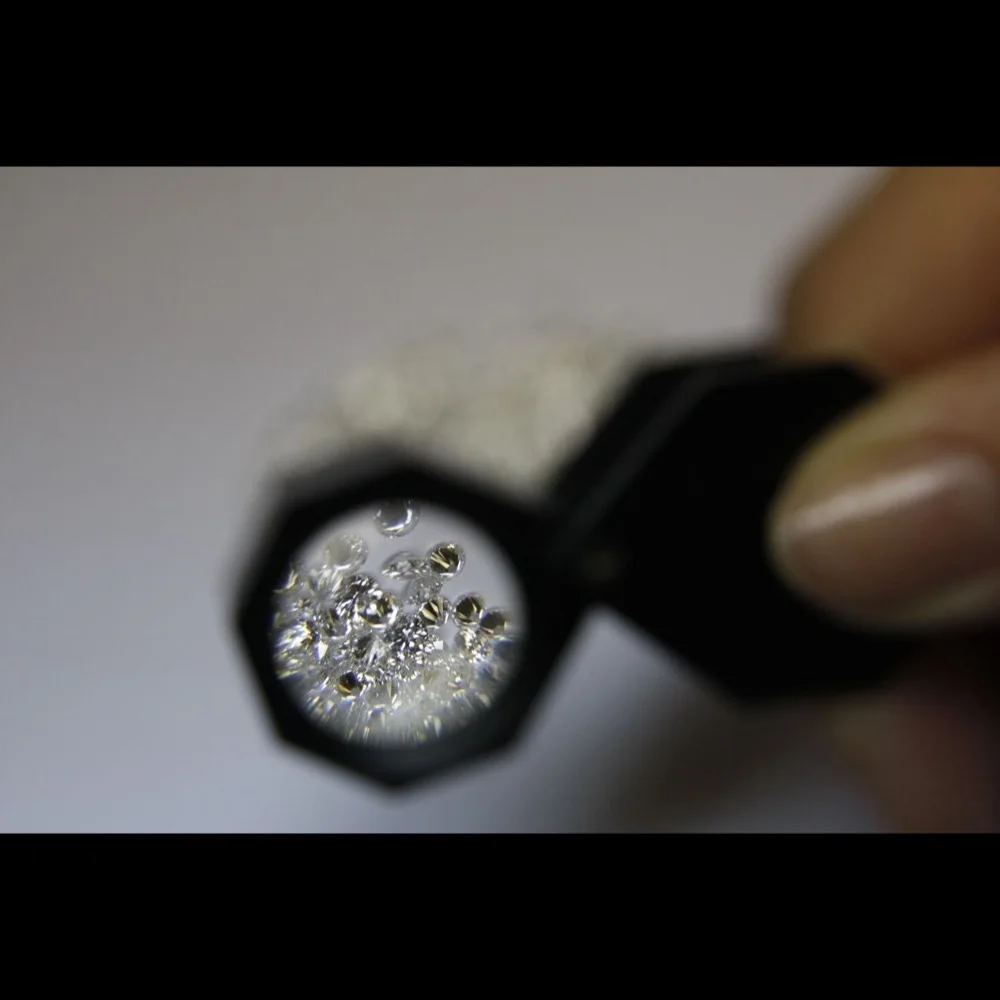
Write your specification as a floor on each axis — eye-clean clarity, near-colourless, excellent cut, named certification lab — rather than a single letter grade. It gives the factory room to source efficiently while protecting what your customer actually sees.
Plan for reorders at first order
Ask for three-tier pricing at the first quote: launch quantity, repeat quantity, volume quantity. It costs the supplier nothing to provide and it turns your first order into a season plan.