Metal Guide for Jewelry Programs
Metal choice sets roughly half of your unit cost and most of your durability profile. In practice: 9K and 10K are entry price points with higher alloy content and more hardness; 14K is the US retail standard; 18K reads as premium and is the norm in much of Europe and Asia; platinum carries the highest cost and the strongest bridal positioning. 925 silver serves fashion lines and demi-fine programs.
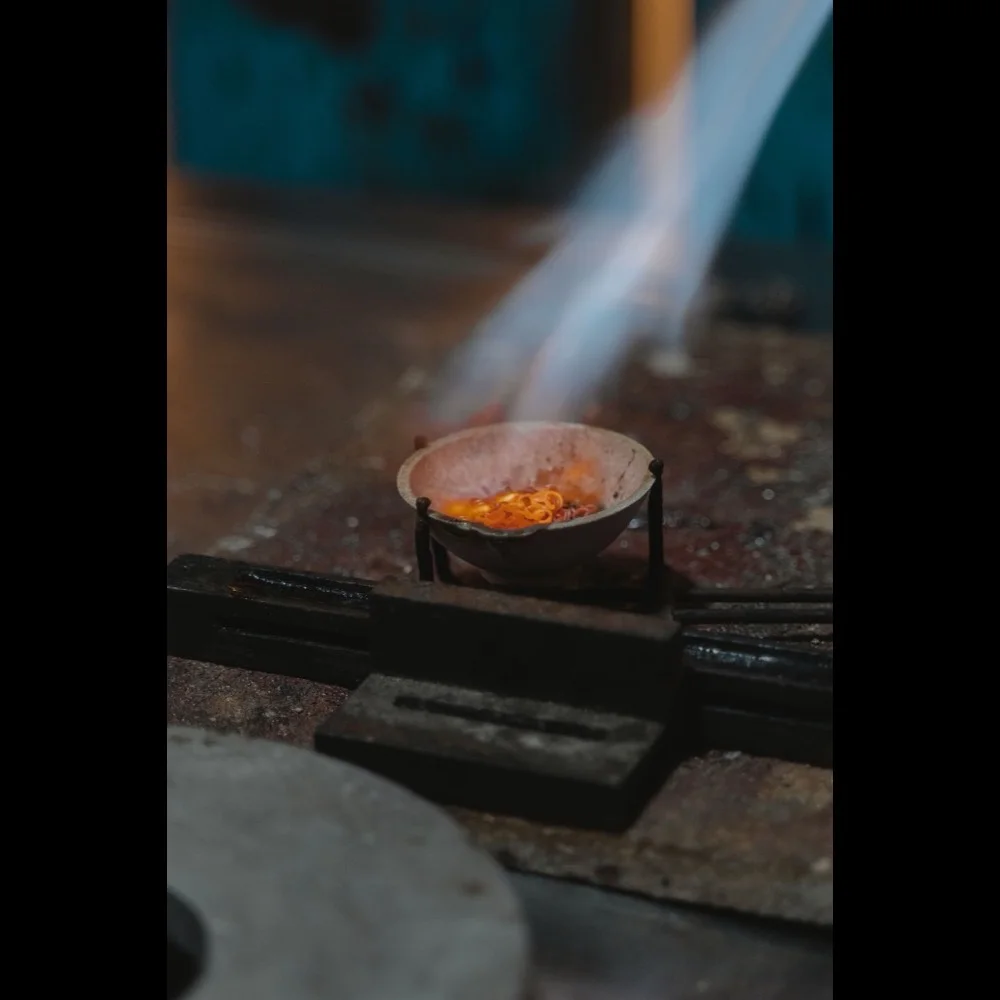
Karat and market
Karat expectations are regional. A US bridal program built in 14K reads as normal; the same program in 9K reads as budget. In the UK 9K is mainstream. Specify by target market, not by cost alone.
White gold and rhodium
White gold is a yellow-gold alloy plated with rhodium for whiteness. That plating wears and needs re-plating over years — a fact worth putting in your customer care material rather than letting it become a complaint. Platinum does not have this issue, which is part of what you are paying for.
Weight and hollow construction
For chains and bangles, solid versus hollow construction changes both cost and lifetime. We quote by target weight so you can trade off price against substance deliberately rather than discovering it at delivery.
What we run
9K, 14K and 18K gold in white, yellow and rose, platinum, and 925 silver. Two-tone and tri-colour builds are standard work, and plating colour is specified per order.
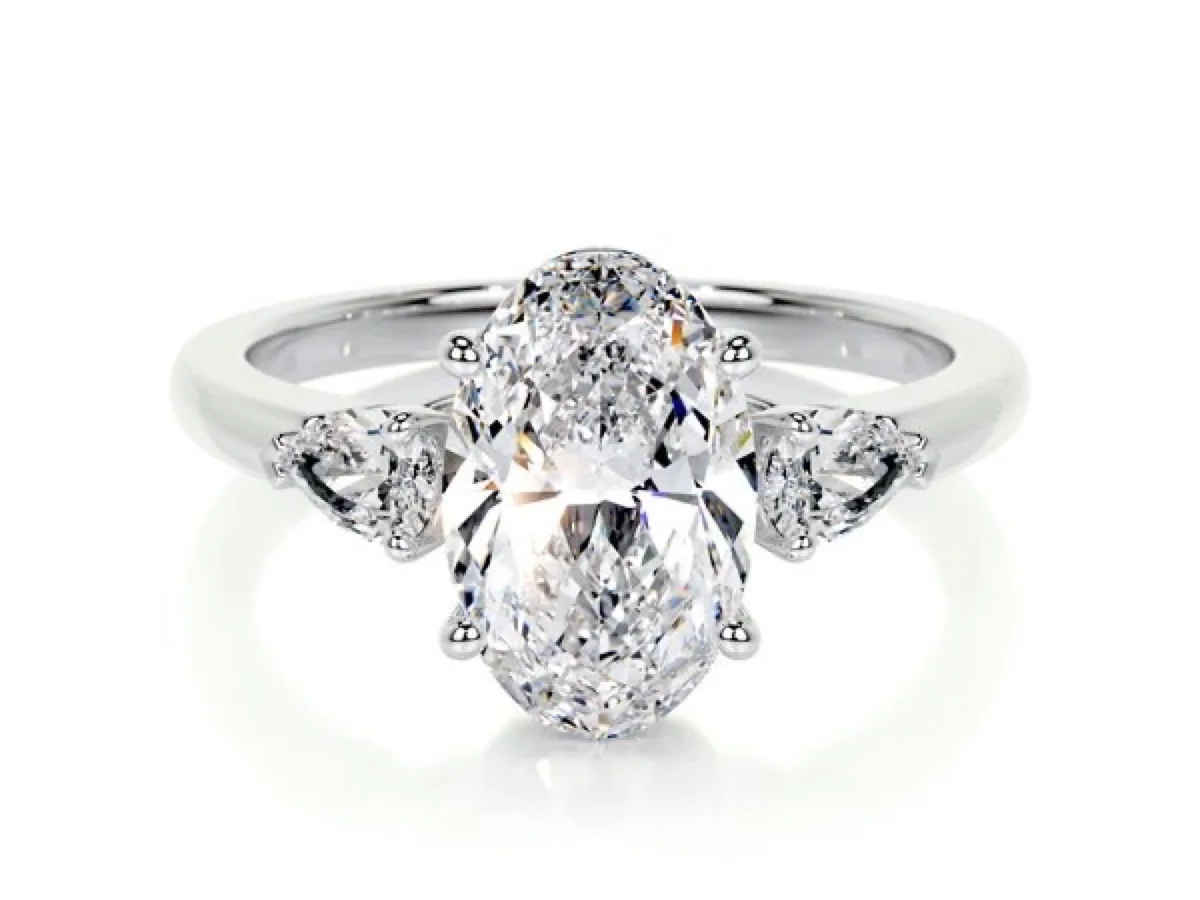
Lab-Grown vs Natural Diamonds — A Buyer’s View
Margin, certification and assortment logic for retail programs.
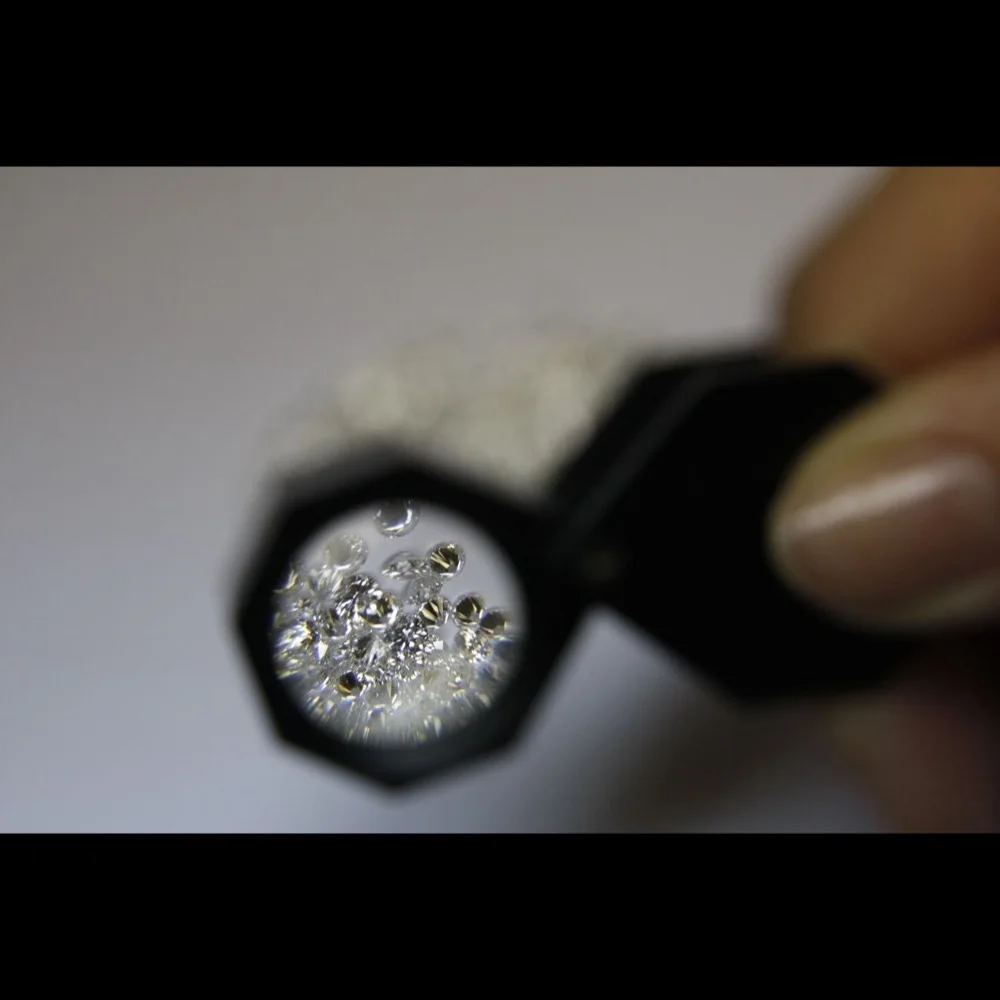
How to Verify IGI & GIA Certificates
Check any stone we ship against the issuing lab’s own database.
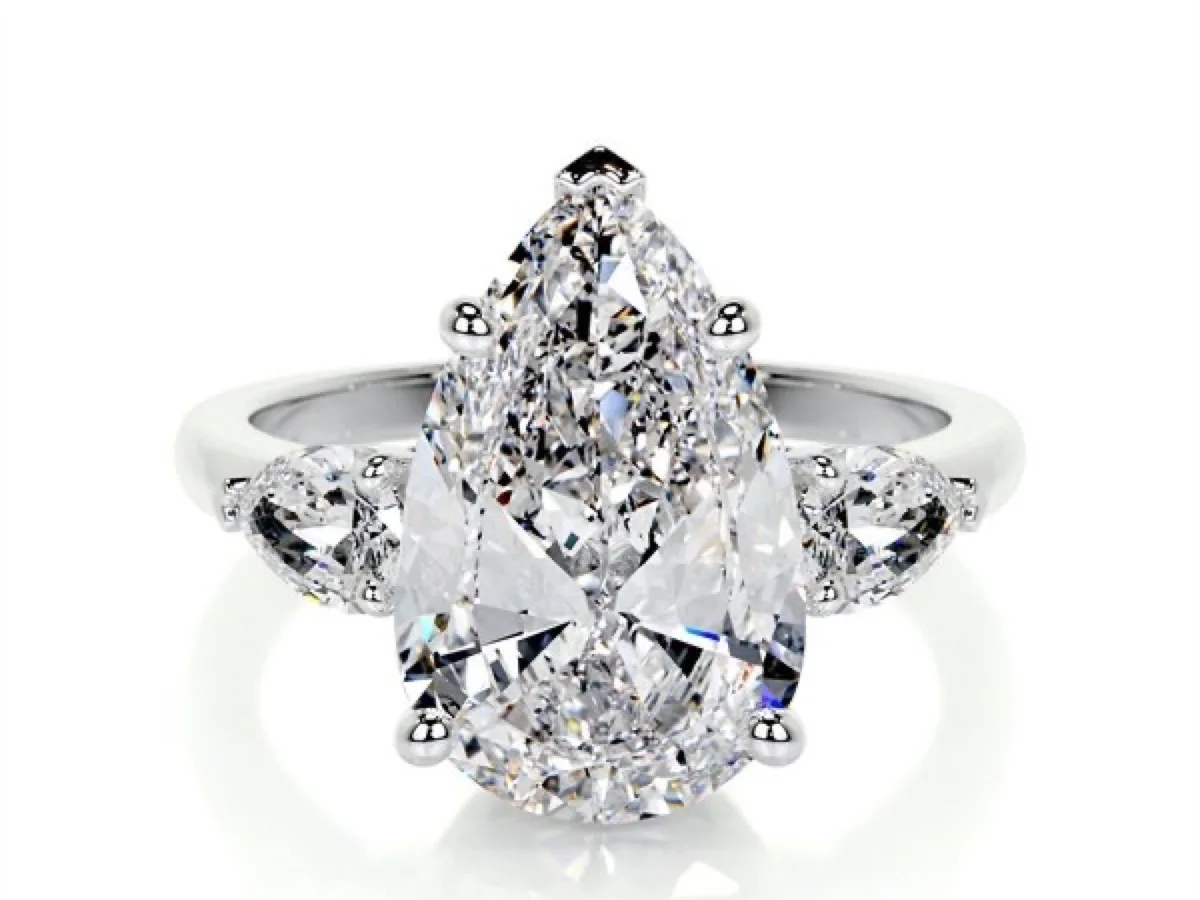
The 4Cs, for Purchasing Teams
Speak grading fluently when you write specifications.
Jewelry Manufacturing Glossary for Buyers
The terms that appear in quotes, tech packs and QC reports.
Put it into a specification
Tell us the program you are planning and we will come back with a manufacturing quote.