The 4Cs, for Purchasing Teams
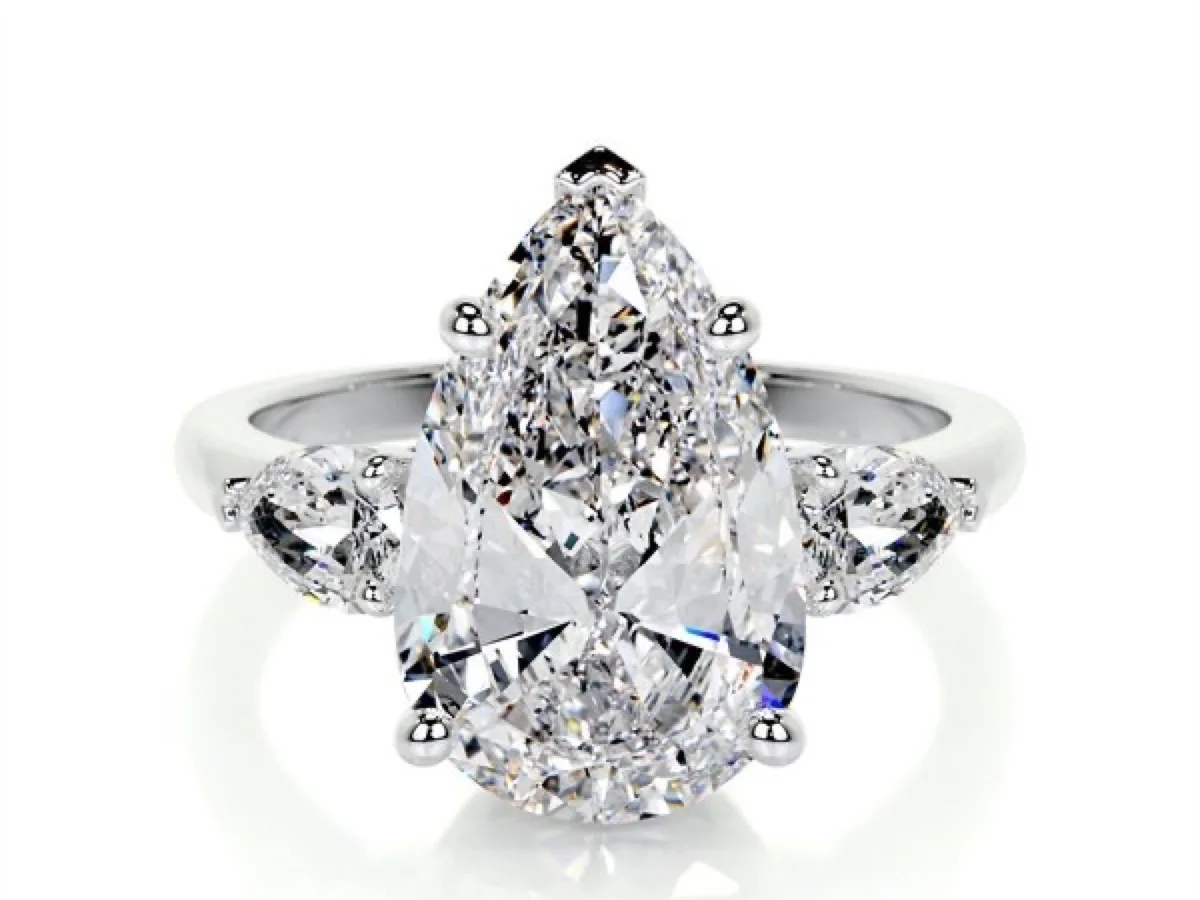
The 4Cs — cut, colour, clarity and carat weight — are the grading axes every diamond report uses. For a purchasing team the useful shortcut is this: cut drives how the stone actually looks, colour and clarity drive the price you pay for grades most consumers cannot see unaided, and carat weight drives the number on the tag. Write your specification as a floor on each axis, not a single grade.
Cut
Graded Excellent through Poor on round brilliants. Cut governs light return, so it is the axis a consumer notices across a counter. A well-cut stone one colour grade lower typically outperforms a poorly cut stone one grade higher — at a lower cost.
Colour
D through Z, colourless to light yellow. The commercial sweet spot for most retail programs sits in the near-colourless range, where the difference is invisible in a finished piece to an untrained eye but the price difference is real.
Clarity
FL through I3, based on inclusions under 10x magnification. "Eye-clean" is the practical retail standard: no inclusions visible without magnification. Specifying a clarity floor of eye-clean rather than a lab grade often lands you better value for the same customer experience.
Carat weight
Weight, not size. Prices step up sharply at the round numbers — 0.50, 1.00, 1.50, 2.00 ct — so buying just under a threshold (0.90 rather than 1.00) can cut cost meaningfully for a nearly identical look.
Writing it into a spec
Give us a floor on each axis plus the certification lab, and we hold it across the whole run and across reorders. "Eye-clean, near-colourless, excellent cut, IGI certified, 0.90–1.00 ct" is a workable production spec; a single letter grade is not.
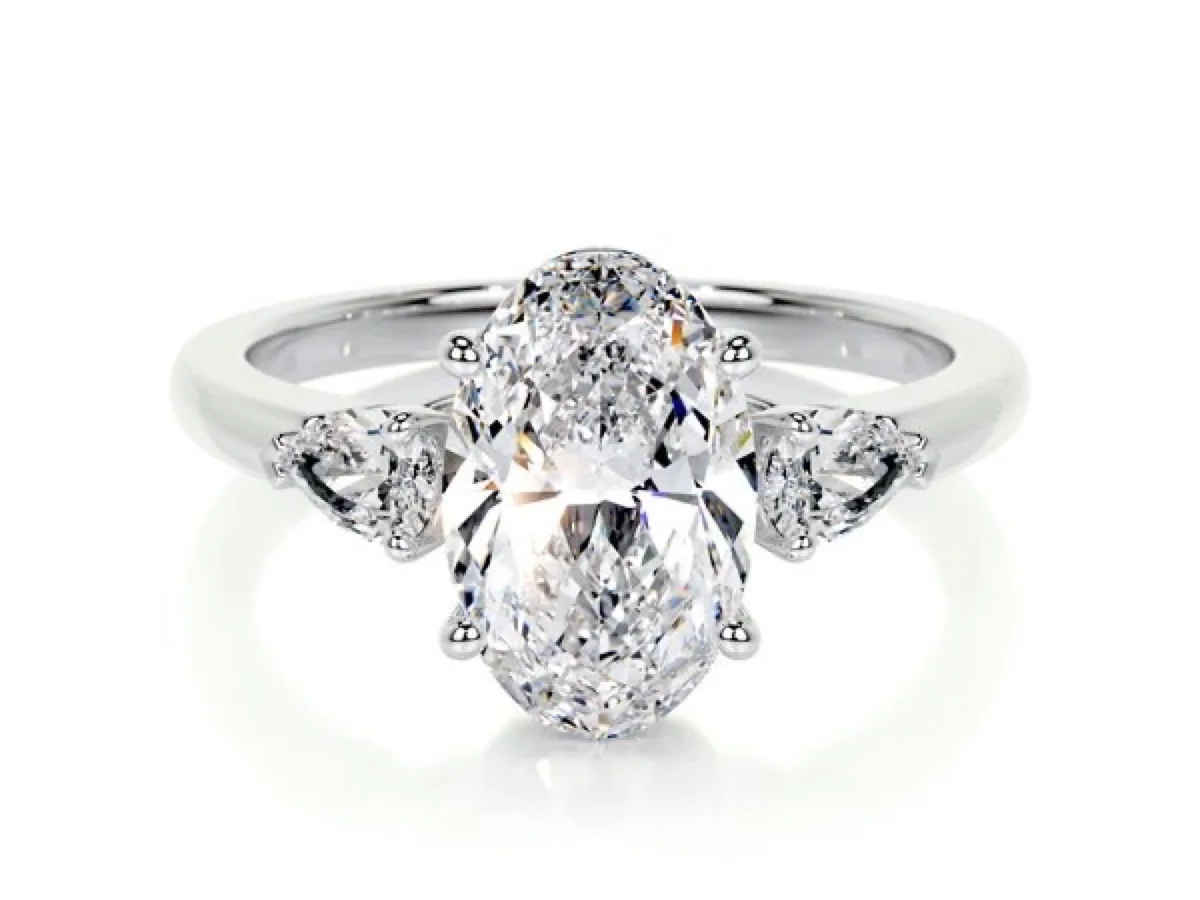
Lab-Grown vs Natural Diamonds — A Buyer’s View
Margin, certification and assortment logic for retail programs.
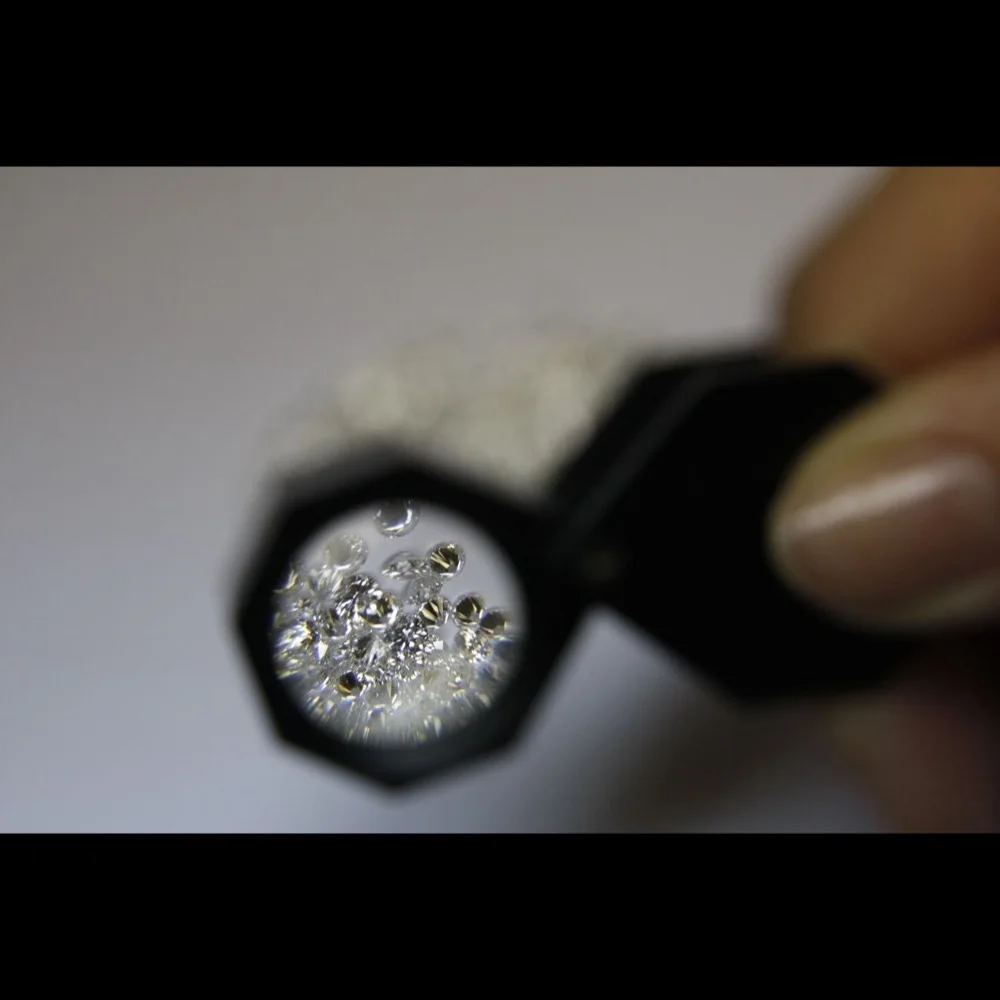
How to Verify IGI & GIA Certificates
Check any stone we ship against the issuing lab’s own database.
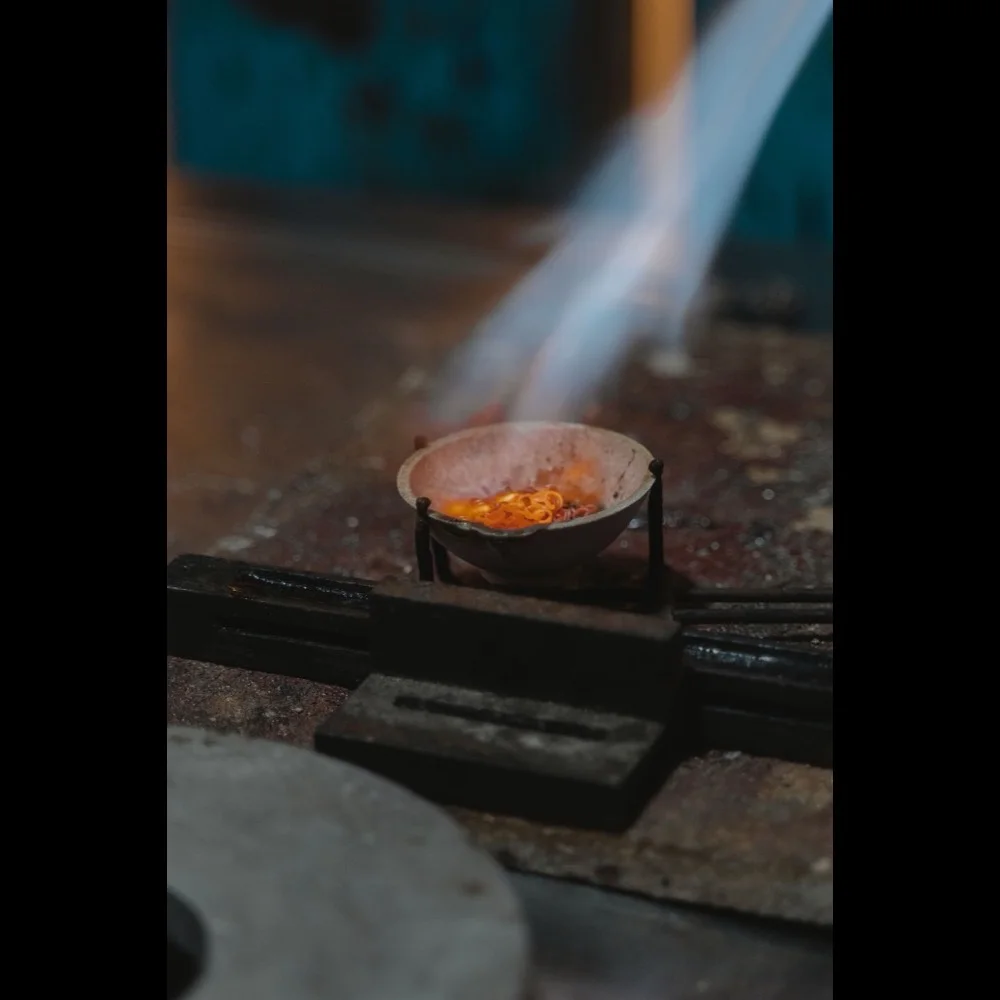
Metal Guide for Jewelry Programs
9K to platinum — what each choice does to cost, durability and market fit.

Jewelry Manufacturing Glossary for Buyers
The terms that appear in quotes, tech packs and QC reports.
Put it into a specification
Tell us the program you are planning and we will come back with a manufacturing quote.