How to Verify IGI & GIA Certificates
Every IGI and GIA report carries a unique report number, and both labs publish a free online report-check tool. Enter the number on the lab’s own website — igi.org or gia.edu — and compare what the database returns against the paper report and the stone’s laser inscription. If the three do not match, do not accept the shipment.
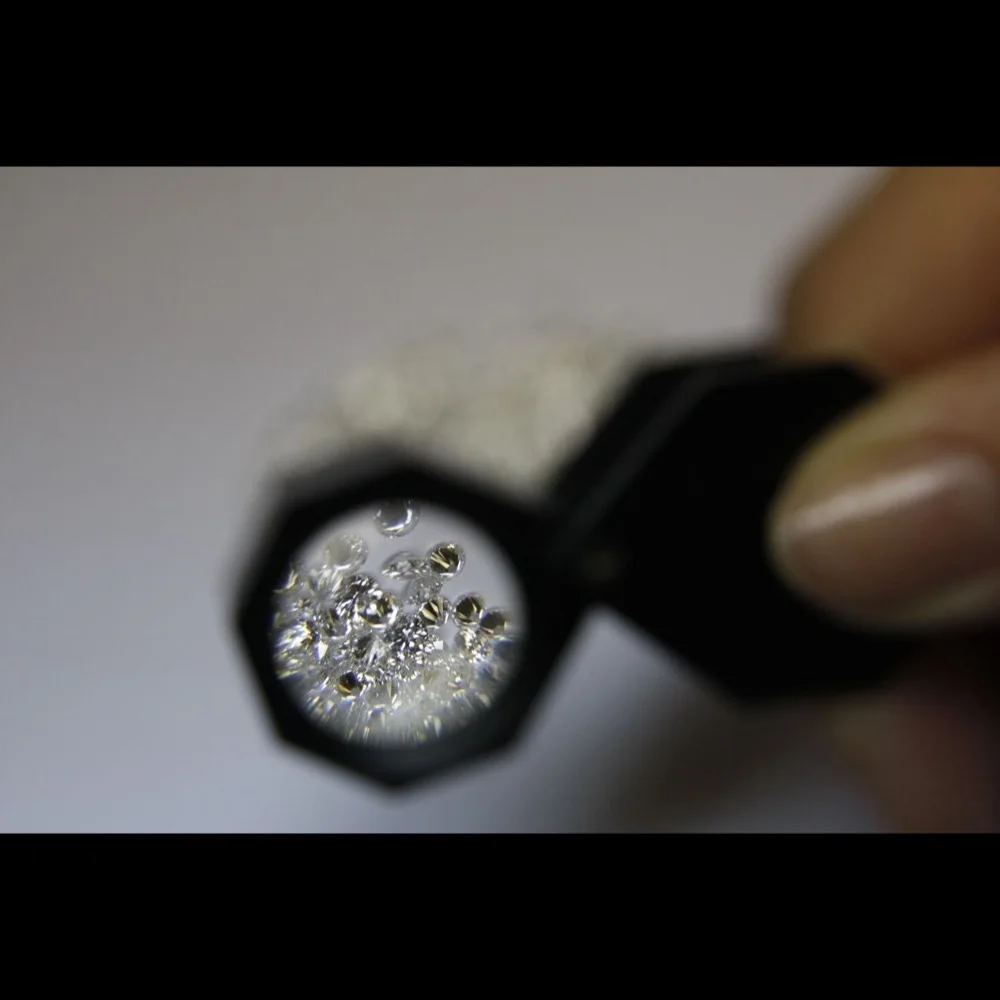
The three-way match
A verifiable stone gives you the same information in three places: the printed report, the lab’s online database record, and the microscopic inscription on the girdle of the stone itself. Any buyer with a 10x loupe can read the inscription. Checking all three takes about a minute per stone.
Go to the lab, not a link
Type the lab’s address into your browser yourself rather than following a link supplied with the goods. A report-check page that arrives as a link in an email is the oldest trick in the trade.
What the report does not tell you
A report certifies the stone, not the finished piece. Setting security, metal purity, plating thickness and workmanship are separate questions — those are covered by your own QC standard and by the inspection documentation your manufacturer provides.
What we do
Centre stones ship with IGI or GIA reports under your program, and report numbers are listed on the packing documentation so your receiving team can check before the goods enter stock.
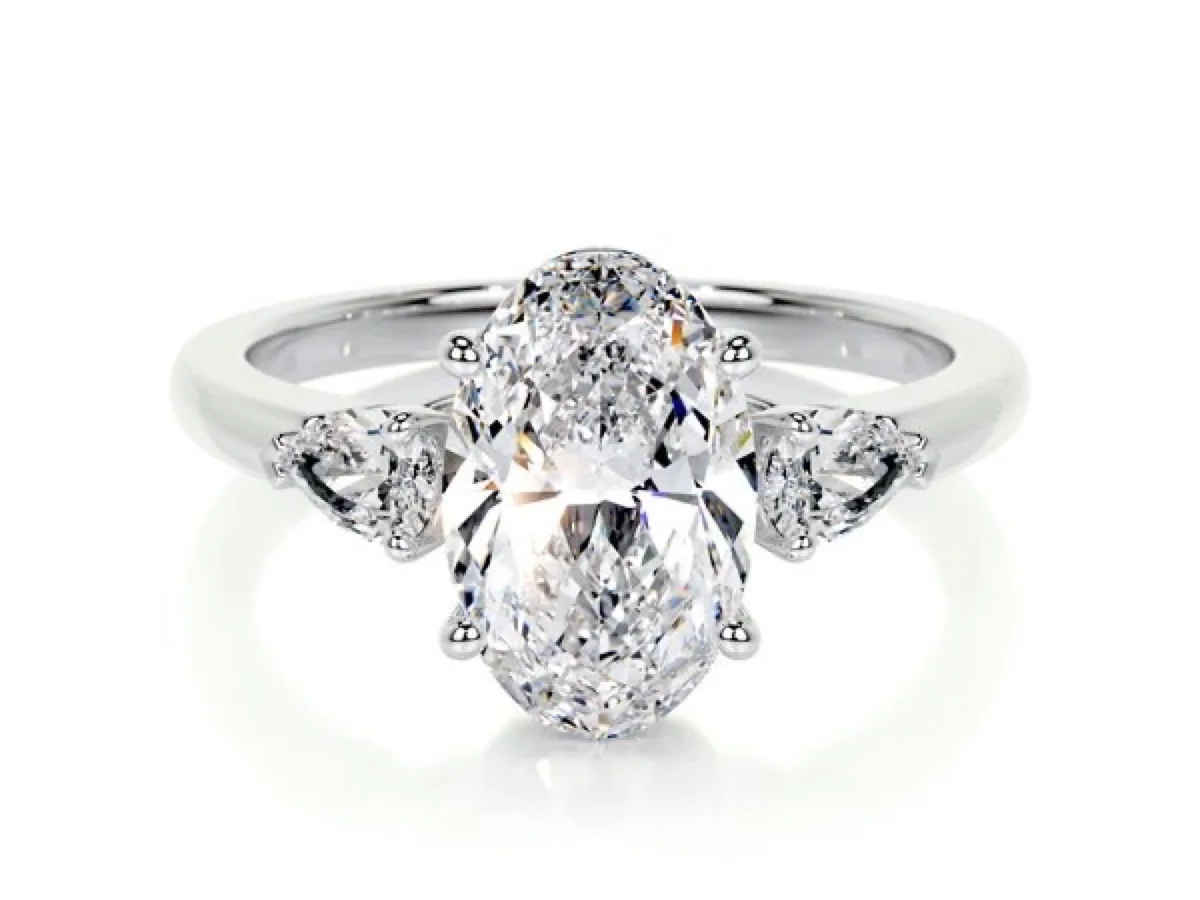
Lab-Grown vs Natural Diamonds — A Buyer’s View
Margin, certification and assortment logic for retail programs.
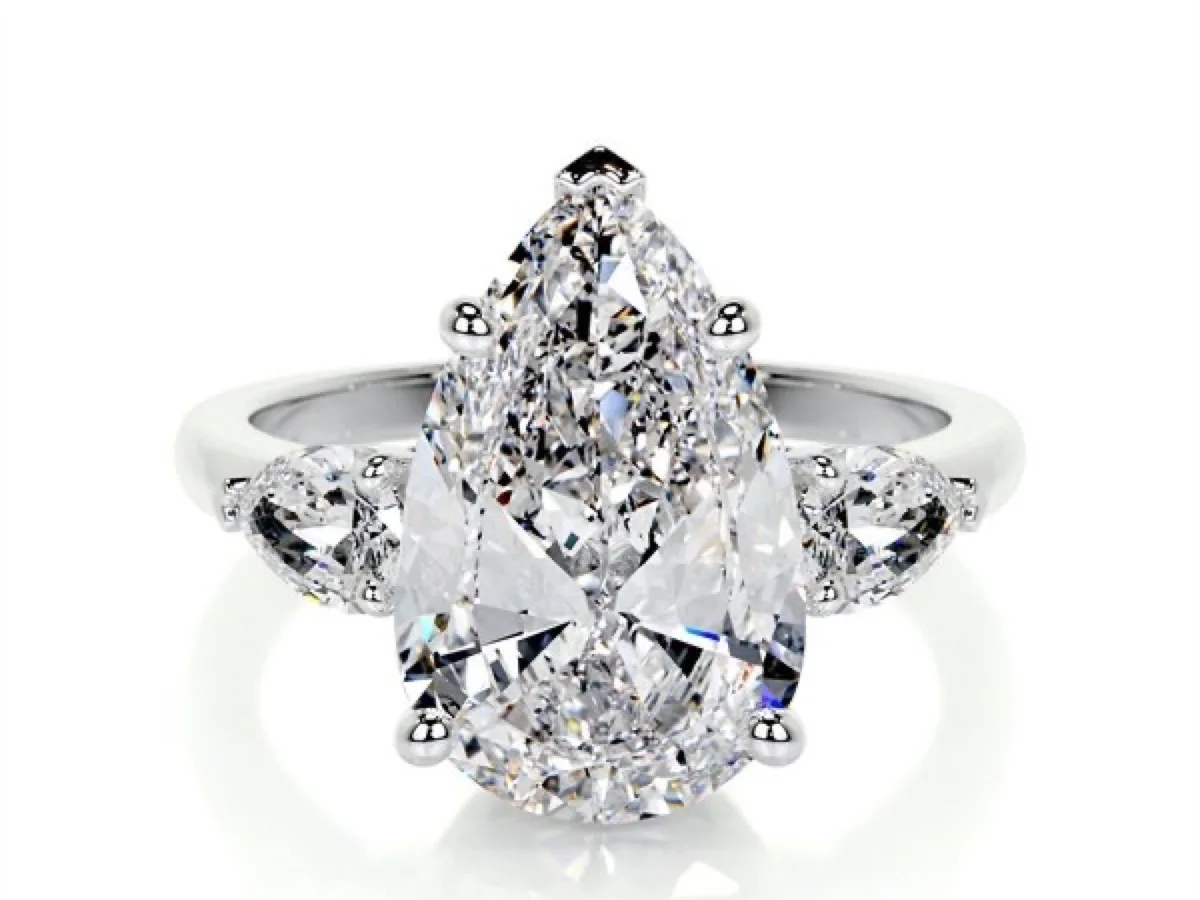
The 4Cs, for Purchasing Teams
Speak grading fluently when you write specifications.
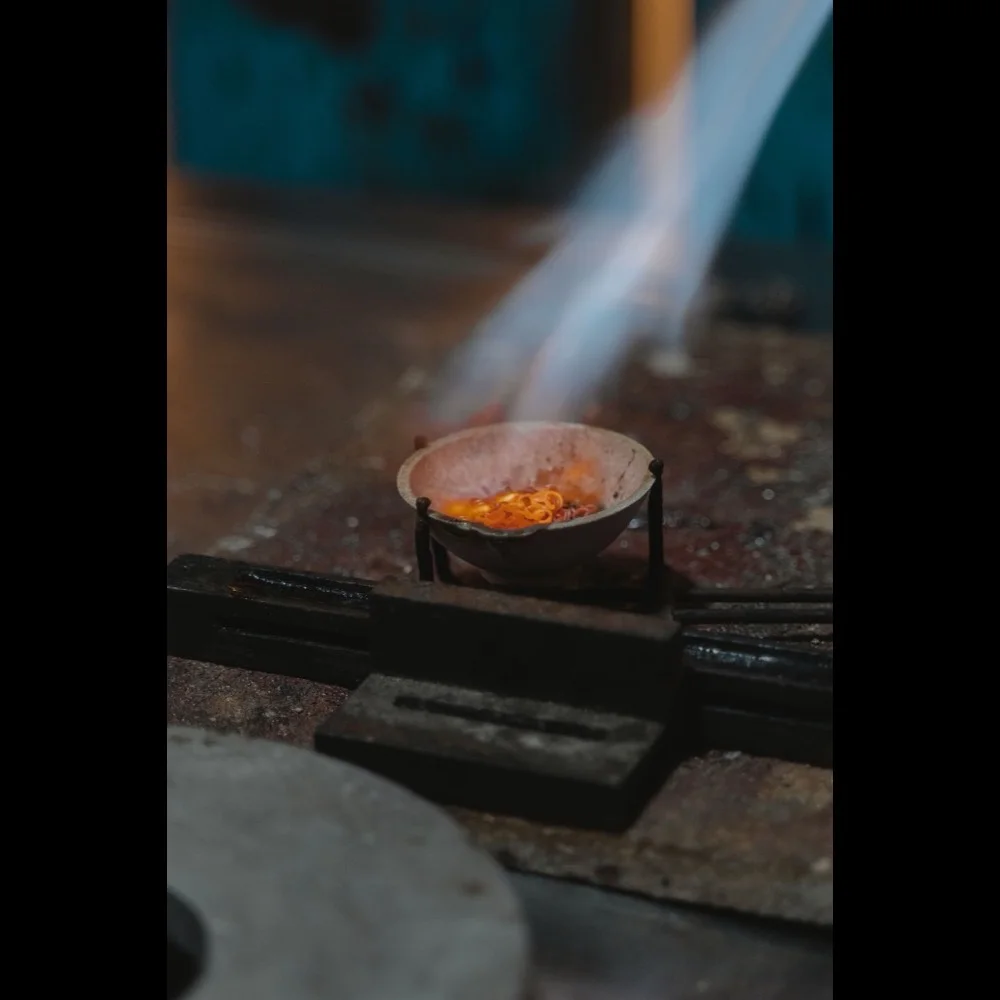
Metal Guide for Jewelry Programs
9K to platinum — what each choice does to cost, durability and market fit.
Jewelry Manufacturing Glossary for Buyers
The terms that appear in quotes, tech packs and QC reports.
Put it into a specification
Tell us the program you are planning and we will come back with a manufacturing quote.